 Cancun Mexico Snorkeling
Cancun Snorkeling Rules: Safety, Park Regulations and Fees
Cancun sits on a reef system that Mexico administers as national park water, and the rules there are real: they get checked at the dock and in the water. This guide sets out the Cancun snorkeling rules that matter, from coral-contact bans to sunscreen restrictions, age limits, port fees and hidden taxes. For the trips themselves, start with the Cancun snorkeling tours compared side by side.
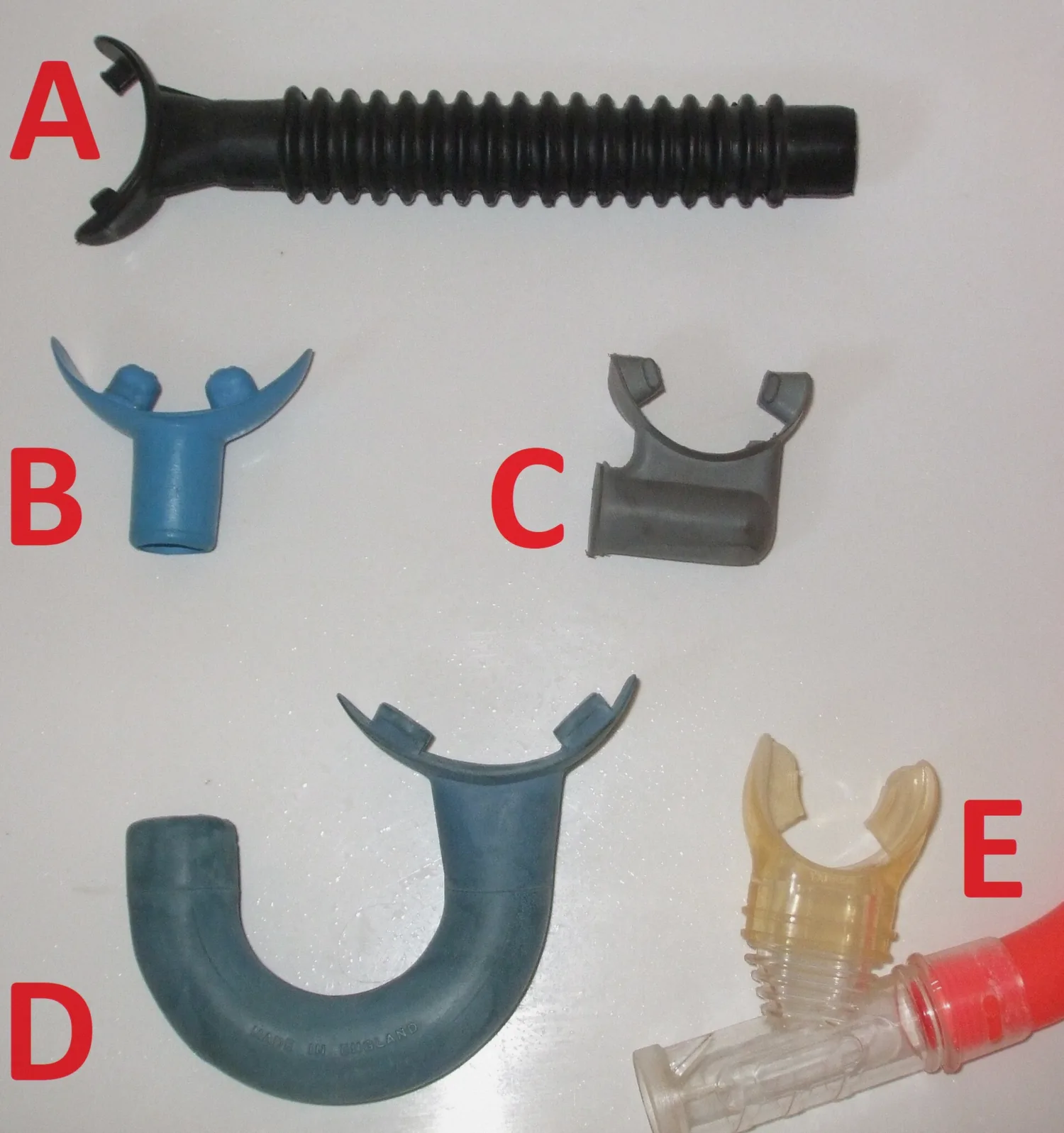
Gear check before the briefing. Photo: Helmardine (CC BY-SA 4.0) via Wikimedia Commons
Quick answer National park water, no coral contact, sunscreen bans, per-person fees
Cancun's main snorkeling water is national park. CONANP, the federal parks agency, administers the reefs at Punta Nizuc, Punta Cancun, the west coast of Isla Mujeres including Manchones and the MUSA galleries, and the Puerto Morelos reef park. The enforced rules: no touching or standing on coral, no chasing or riding wildlife, no feeding fish, and no plastic bottles at some sites. Regular sunscreen is banned on most reef boats, with biodegradable required on others. Budget per-person fees on top of the ticket: $20 port and marine-park tax on some trips, $10 Puerto Morelos dock and reef tax, and $40 per adult at Tulum paid at boarding. Swim-ability rules apply on several boats, and some operators turn non-swimmers away.
Key takeaways
- Most Cancun reef water is CONANP-administered national park, and licensed-operator rules apply.
- Sunscreen rules are strict: regular sunscreen is banned on most reef boats, biodegradable only on others.
- Fees are not always in the ticket price. Check the fee table below before you book.
- The Isla Mujeres catamaran is where the dock fee catches people; see its facts before you budget.
Who makes the rules: national park water and CONANP
The first thing to understand about Cancun snorkeling rules is that most of the water you will swim in is not open-access. It is national park. Four areas matter for a Cancun-based trip: the reefs at Punta Nizuc and Punta Cancun at the ends of the Hotel Zone, the west coast of Isla Mujeres including the Manchones reef and the submerged galleries of the MUSA underwater museum, and the Puerto Morelos reef park south of the city. All of them are administered by CONANP, the National Commission of Natural Protected Areas, the same federal agency that manages Mexico's terrestrial parks. Its official site, gob.mx/conanp, explains the protected-area framework.
What does national park status mean for you in practice? Three things. First, boats need licenses to operate in the park, so you should book with a licensed operator rather than an informal beach vendor. Second, the park sets conduct rules for swimmers, and they are enforced, not decorative. Third, fees apply. Some are collected at the dock, some are folded into your ticket, and some appear only in the fine print of a listing. This page walks through each in turn.
The MUSA underwater museum is a useful case study, because it shows how the rules stack. The museum's more than 470 submerged statues sit in and around the Manchones reef inside park water. A visit there is governed by the general park conduct rules, by the museum's own access conditions, and by whatever conditions the operator's listing adds. A trip that visits the statues, such as the three-spot MUSA snorkel or the five-stop Reef & MUSA boat snorkel, is therefore subject to all three layers at once. Know the layers and nothing on the water will surprise you.
The conduct rules that get enforced
The park conduct rules are short and specific. You will hear most of them in the pre-swim briefing, and guides genuinely pull people up on them, because an operator that racks up violations risks its license.
No touching or standing on coral. This is the big one. Coral is alive, and a hand or a fin tip can kill the polyps on contact. Standing is the most common infraction, usually by tired swimmers who drop their feet without thinking. If you need a rest, signal the guide or use your flotation vest.
No chasing or riding wildlife. Sea turtles are the temptation here, especially on the Akumal turtle snorkel on the Tulum ruins, cenote, turtles day. You swim passively at a distance and let the animal move. Grabbing a shell for a photo is exactly what the rule bans.
No feeding fish. It changes animal behavior and degrades the reef, and the ban applies even where fish swarm expectantly around boats.
No plastic bottles at some sites. The Tulum archaeological site bans plastic bottles outright, so bring a reusable bottle on that trip. Reef sites vary, and the operator's listing states the specific restriction where one applies.
One more rule is implicit but real: operators can refuse swimmers. The Puerto Morelos reef run excludes non-swimmers, the MUSA museum snorkel states swimmers only with no minimum age stated, and the catamaran restricts its water stop to people aged 10 and over in good physical condition. Being turned away at the boat is a rule enforcement, not a scam, so read the access conditions before you book.
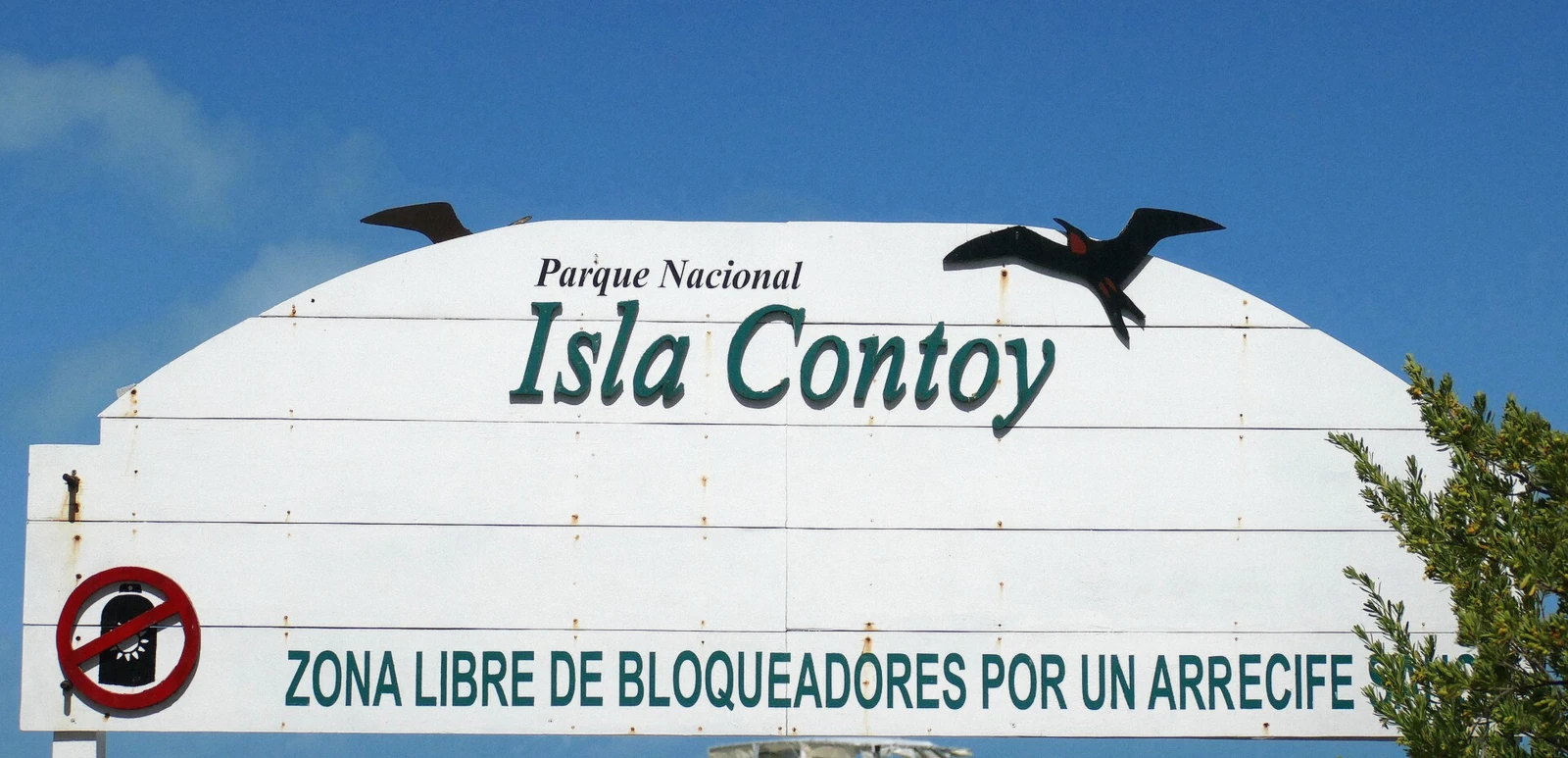
The sunscreen rule is printed on signs all over the region. Photo: Bernard DUPONT (CC BY-SA 2.0) via Wikimedia Commons
Sunscreen rules: the ban nobody reads until the dock
Sunscreen is where Cancun snorkeling rules catch the most people out. Oxybenzone and similar chemical filters wash off in the water and damage coral, so the region has responded with a patchwork of bans.
Here is the actual picture across the trips in this comparison. On most reef boats, regular sunscreen is banned outright as a reef-protection measure. The five-stop Reef & MUSA run states this plainly on its listing and tells you what to do instead: wear a rashguard or a long-sleeve shirt for sun protection. The MUSA museum snorkel goes further and does not permit sunscreen before entering the water at all.
The Isla Mujeres catamaran takes a different line: it asks for biodegradable sunscreen rather than banning the product category. That is a genuine difference between operators, and it is one more reason to read the specific listing rather than assume.
What happens if you arrive covered in regular sunscreen? Practices vary, and some operators turn swimmers away. That is their stated right, and you will not get a refund for it. The practical answer costs nothing: buy a rashguard. It protects better than sunscreen over a three-hour trip, it never washes off, and it satisfies every operator's rule at once.
Swim ability, age limits and health restrictions
Not every Cancun snorkeling rule comes from the park. Operators set their own access conditions, and they are written into the listings, so they are contractual. This is the section to read before you book for a family or for a relative who does not swim.
The strictest conditions sit on the offshore trips. The MUSA museum snorkel spends three hours in open water and suits confident swimmers and sets a minimum age of 5, and the listing adds that it is not suitable in pregnancy or with respiratory conditions. The Puerto Morelos reef run is swimmers only and excludes non-swimmers, people with back problems and travellers prone to seasickness. The shared Isla Mujeres catamaran is the odd case, because the day as a whole suits non-swimmers. Its beach and sail time has no conditions at all, but the reef water stop is restricted to people aged 10 and over in good physical condition, and pregnant women and travellers over 60 cannot join that stop.
The other trips sit between. The five-stop Reef & MUSA run states it is not suitable for babies under 1 year, with no other age limit given, and flags back problems, pregnancy and heart conditions in its difficulty note. The speedboat jungle tour sets a minimum age of 6, requires under-18s to ride with an adult, bans alcohol before the boats, and rules out pregnancy, heart problems and mobility impairments. The Tulum day trip is not suitable for children under 2 or travellers with recent surgeries.
| Trip | Minimum age | Swim requirement | Health exclusions stated |
|---|---|---|---|
| Reef & MUSA boat snorkel | Babies under 1 not suitable | Not stated beyond the difficulty note | Back problems, pregnancy, heart conditions |
| MUSA museum snorkel | 5 years | Swimmers only | Pregnancy, respiratory conditions |
| Isla Mujeres catamaran | Water stop 10 and over | Water stop: good physical condition | Pregnant travellers and over-60s excluded from the water stop |
| Puerto Morelos reef snorkel | None stated | Swimmers only, non-swimmers excluded | Back problems, seasickness |
| Tulum ruins, cenote, turtles | Not under 2 | Not stated | Recent surgeries |
| Speedboat jungle tour | 6 years, under-18s with an adult | Not stated | Pregnancy, heart problems, mobility impairments, no alcohol before the boats |
| Private half-day catamaran | None stated | Not stated | Not stated |
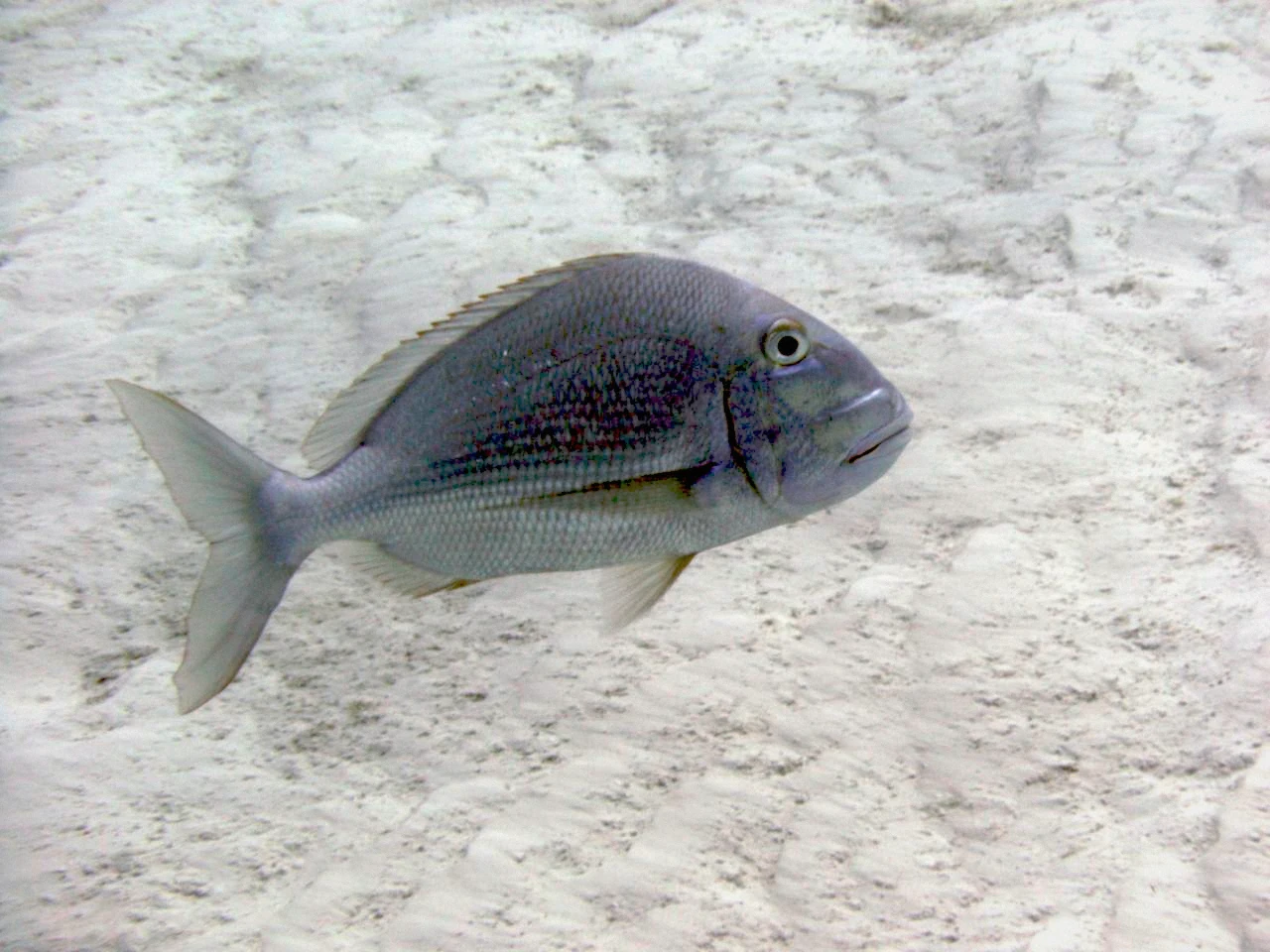
Illustrative photo. Caribbean reef fish of the kind the no-feeding rule protects. Photo: Daphnis De Pooter (CC BY-SA 3.0) via Wikimedia Commons
Fees, taxes and what the ticket does not include
Read that table against the ticket prices and the pattern becomes clear. The $35 catamaran looks like the cheapest day on the water until you add the $20 dock fee that the listing warns is charged on every tier, which is a 57 percent uplift. The jungle tour, by contrast, states its $20 port and marine-park tax is already inside the $51, so the sticker price is the real price. The Puerto Morelos lunch trip sells at $29 with lunch and a town walk included, and states there is lunch and a town walk included, $15 reef tax in cash.
The Tulum day is the sharpest surprise. Its $83 ticket excludes the Tulum site, park and government fees of $40 per adult and $25 per child, collected when you board the bus. For a couple with two children that is $130 in fees on top of the tickets, and the listing says so in its ethical note, but only if you read it.
Two smaller line items round out the picture. The five-stop Reef & MUSA run charges a $5 locker key deposit refunded at return, and the private half-day catamaran includes its $20 per person docking fee in the $1,750 charter, with photos and tips extra. Passenger insurance is included on the five-stop tour listing.
The same figures sit in the full Cancun snorkeling comparison, next to the trip each one belongs to.
| Fee | Amount | Where it applies | Included in the ticket? |
|---|---|---|---|
| Port fee and marine-park tax | $20 per person | Speedboat jungle tour and the shared Isla Mujeres catamaran | Included in the jungle tour ticket, dock-charged on the shared catamaran |
| Puerto Morelos dock fee and reef conservation tax | $10 per person | Puerto Morelos reef snorkel | Included |
| Tulum site, park and government fees | $40 per adult, $25 per child | Tulum ruins, cenote, turtles day | Not included, collected when boarding |
| Locker key deposit | $5, refunded at return | Reef & MUSA boat snorkel | Refundable |
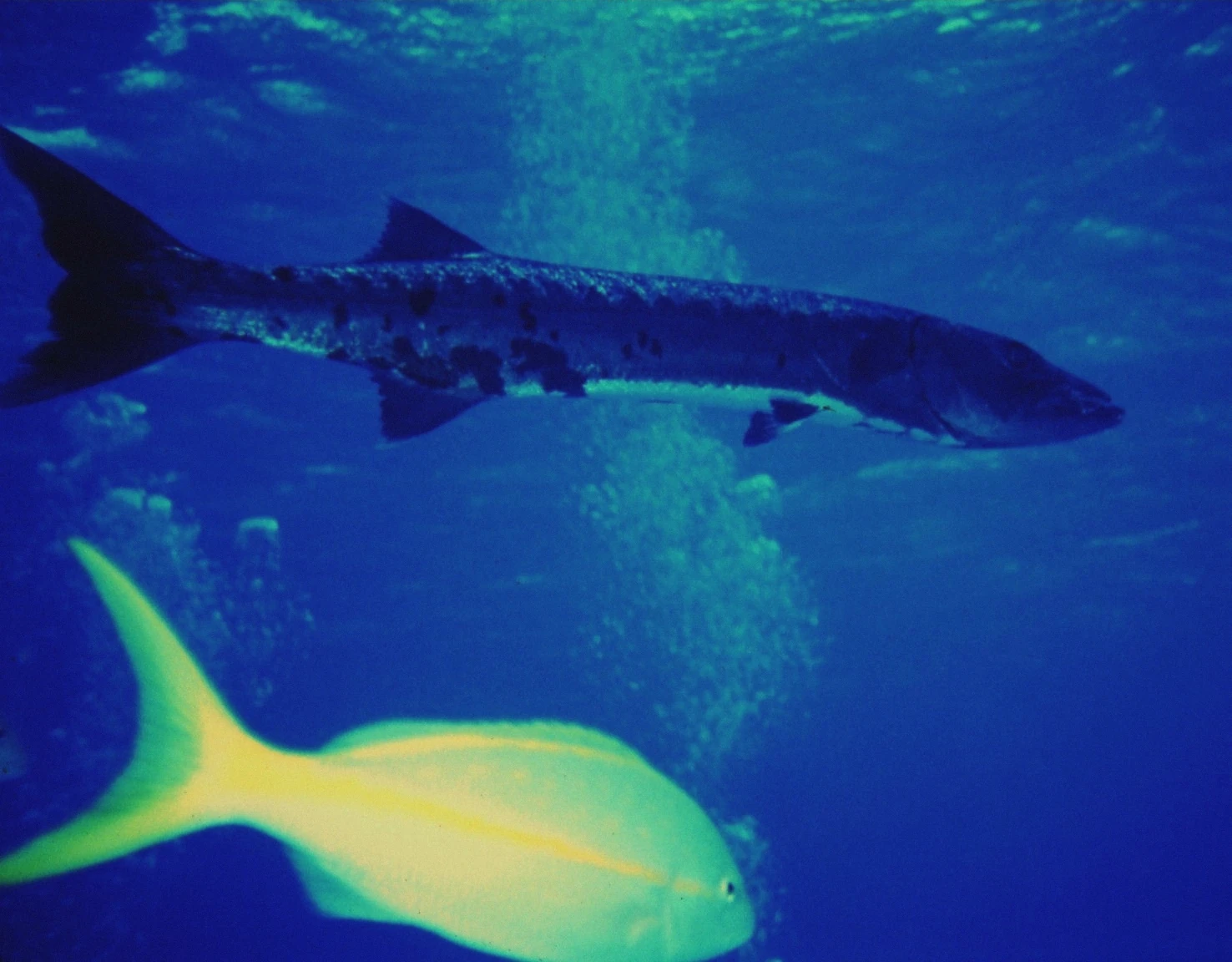
Illustrative photo. Caribbean reef residents the wildlife rules exist for. Photo: Dr. Anthony R. Picciolo, NOAA NODC (Public domain) via Wikimedia Commons
On-the-water safety: flags, captains and no lifeguards
Safety in Cancun follows two different rulebooks depending on where you are.
On public beaches, a flag system applies. The colored flags on the lifeguard posts communicate sea conditions, and swimming against a red or black flag is both dangerous and against the rules. There is no lifeguard coverage offshore, and the public-beach reef has no supervised lanes, so the flag system plus your own judgment is all that stands between you and a current.
On boat trips, the flag system matters less because the captain's call governs the day. Operators decide whether the sea state allows the crossing, and weather can re-route a trip with a refund option past a 30-minute change. The MUSA museum snorkel makes this explicit in its weather note: weather can reschedule the run, and a shift of more than 30 minutes unlocks a full refund. The catamaran notes that its itinerary order can shift, and the jungle tour says the same about lagoon conditions.
Within the water itself, the gear and briefing rules carry the safety load. On the Reef & MUSA run, a short briefing covers gear and technique before the first entry, an instructor and a photographer go in the water with you, and flotation is standard. The MUSA run states certified bilingual guides in the water. The Puerto Morelos boat carries life vests on a guided reef session steps from the village, with lunch on the beach after.
Two personal-safety rules come from the operators rather than the park. The jungle tour bans alcohol before the boat section, and several listings rule out participation in pregnancy or with heart conditions. These are stated on the listings and enforced at boarding. Rough-water honesty: drift and surge turn snorkeling into a real swim at exposed spots like El Meco on windy days, so book mornings in the dry season when the sea is at its calmest.
Choosing a trip that follows the rules
Because licensed-operator rules apply inside the parks, the single best compliance decision you can make is to book through a listing that states its licenses, fees and conditions openly. Vague listings on the beach are where informal unlicensed operations live.
The listings we compare state their conditions in unusual detail. The five-stop Reef & MUSA boat snorkel names its sunscreen ban, its refunded $5 locker deposit and its passenger insurance. The Puerto Morelos reef & lunch requires its $15 reef tax in cash on the day and forbids touching marine life or plants is forbidden. The Isla Mujeres catamaran discloses its $20 dock fee, its biodegradable sunscreen request, its 10-and-over water stop and the exclusion of pregnant travellers and over-60s. That level of disclosure is a good proxy for an operator that takes the rules seriously.
Price alone will not get you there, which is why the fee table above matters more than the sticker price. If you want the full picture in one place, the full Cancun snorkeling comparison lays out prices, durations, ratings and conditions for every trip on this site.
One final rule-of-thumb: the newest listings are the ones where conditions are least tested. The MUSA museum snorkel and the Puerto Morelos run are both new to the platform with small or absent review bases. Their stated rules are clear, but you have fewer signals about how consistently they are applied. The established trips, with 183, 370 and 3,316 verified reviews respectively, have long public track records on exactly that.
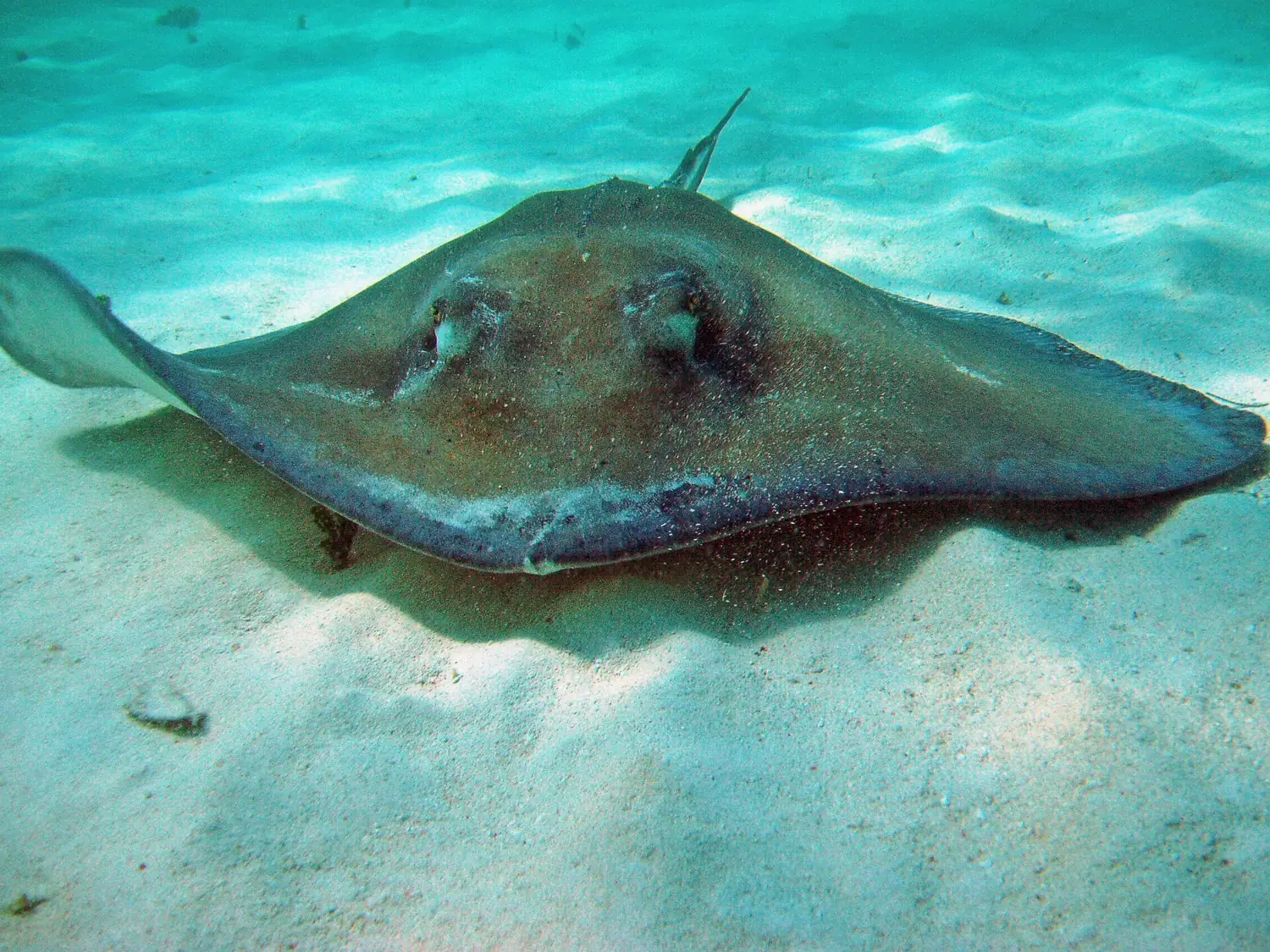
Illustrative photo. Watch, do not touch, even on the sand. Photo: James St. John (CC BY 2.0) via Wikimedia Commons
MUSA and site-specific extra conditions
The MUSA underwater museum deserves its own section, because the rules there go beyond the general park code and beyond what most first-time visitors expect.
The museum sits in park water off Isla Mujeres, on and around the Manchones reef, with more than 470 submerged statues across its galleries. On top of the park conduct rules, the dedicated museum snorkel listing adds its own: no sunscreen before entering the water, swimmers only, no minimum age stated, and no participation in pregnancy or with respiratory conditions. It also prices its extras transparently rather than hiding them, stating that photos or videos per couple cost about $85 on site and a wetsuit $10, both payable to the operator.
The logistics rules are worth noting too. The three-spot island run bans sunscreen outright and carries its marine park fees in the ticket. It departs from central Isla Mujeres.261 in the Hotel Zone, and you must book ahead. The listing contradicts itself on whether marina transport is included, which we flag in the comparison, so confirm at booking.
If you want the statues as part of a longer run rather than the whole trip, the five-stop boat snorkel reaches the museum among its five stops along with El Meco reef, a turtle spot, a shipwreck and an underwater cenote in the same three hours. The private half-day catamaran also snorkels El Meco with its underwater statues. In all three cases the same museum and park rules apply in the water, so nothing in this section changes with the boat you arrive on.
Pre-booking compliance checklist
Everything on this page compresses into a short checklist you can run before you pay for any Cancun snorkeling trip. Ten seconds per line, and you will not be caught out at the dock.
Where to Go Next
Where to go next on this site
Rules read, pick a boat that already follows them: the five-stop reef and MUSA tour prints its sunscreen ban and passenger insurance on the listing, and the Puerto Morelos reef and lunch trip builds the park tax into the ticket. The MUSA museum guide lists the site-specific conditions around the statues.
Cancun snorkeling rules: frequently asked questions
Who enforces the snorkeling rules in Cancun's reefs?
CONANP, Mexico's National Commission of Natural Protected Areas, administers the park water at Punta Nizuc, Punta Cancun, the west coast of Isla Mujeres including Manchones and MUSA, and the Puerto Morelos reef park. Licensed operators enforce the conduct rules in the water, and guides do correct swimmers who touch coral or chase wildlife.
Can I wear regular sunscreen on a Cancun snorkeling tour?
On most reef boats, no. Regular sunscreen is banned as a reef-protection measure, and some operators turn swimmers away for wearing it. The Isla Mujeres catamaran instead asks for biodegradable sunscreen. The five-stop Reef & MUSA run recommends a rashguard or long-sleeve shirt instead, and the MUSA museum snorkel permits no sunscreen at all before entering the water.
Are the port fees and park taxes included in the ticket price?
It depends on the trip, and the difference is large. The $20 port fee and marine-park tax is included in the speedboat jungle tour ticket but dock-charged on every tier of the shared Isla Mujeres catamaran. The $10 Puerto Morelos dock and reef tax is included. The Tulum site, park and government fees of $40 per adult and $25 per child are not included and are collected when boarding.
What happens if I touch coral by accident?
The rule bans touching or standing on coral, and guides correct it on the spot. Accidental contact from poor buoyancy happens, and the practical answer is to float rather than stand, signal the guide if you need a rest, and keep your feet up near the shallow El Meco shelf, which sits 8 to 12 feet down. Repeated or deliberate contact is a different matter and risks removal from the water.
Do the rules apply to the MUSA statues the same way as to coral?
The statues sit inside the same national park water at Manchones, so the park conduct rules apply, and the museum adds its own conditions on top: no sunscreen at all, and no participation in pregnancy or with respiratory conditions. Extras are payable on site, with photos or videos per couple about $85 and a wetsuit $10.
Is there a refund if bad weather cancels the snorkeling?
Boat days follow the captain's call, and weather can re-route a trip. On the MUSA museum snorkel the listing states that a start shifted by more than 30 minutes unlocks a full refund. The other listings state free cancellation up to 24 hours in advance for a full refund, so your protection window is the day before as much as the day itself.